There is a particular kind of room that makes you exhale the moment you walk into it. Not a show home, not a period reconstruction, but somewhere that feels genuinely alive, a place where a Georgian console table sits beneath a contemporary abstract print, and neither one is embarrassed by the other. Getting to that point, though, takes rather more thought than simply buying something beautiful at auction and hoping for the best. Working antique British furniture into modern interiors is one of the most rewarding decorating decisions you can make, and also one of the easiest to fumble.
I have spent years acquiring pieces from various periods and moving them between rooms, testing what works and what simply looks confused. The lessons below are hard-won. They are also, I think, more liberating than any prescriptive decorating rule you will find in a glossy magazine.
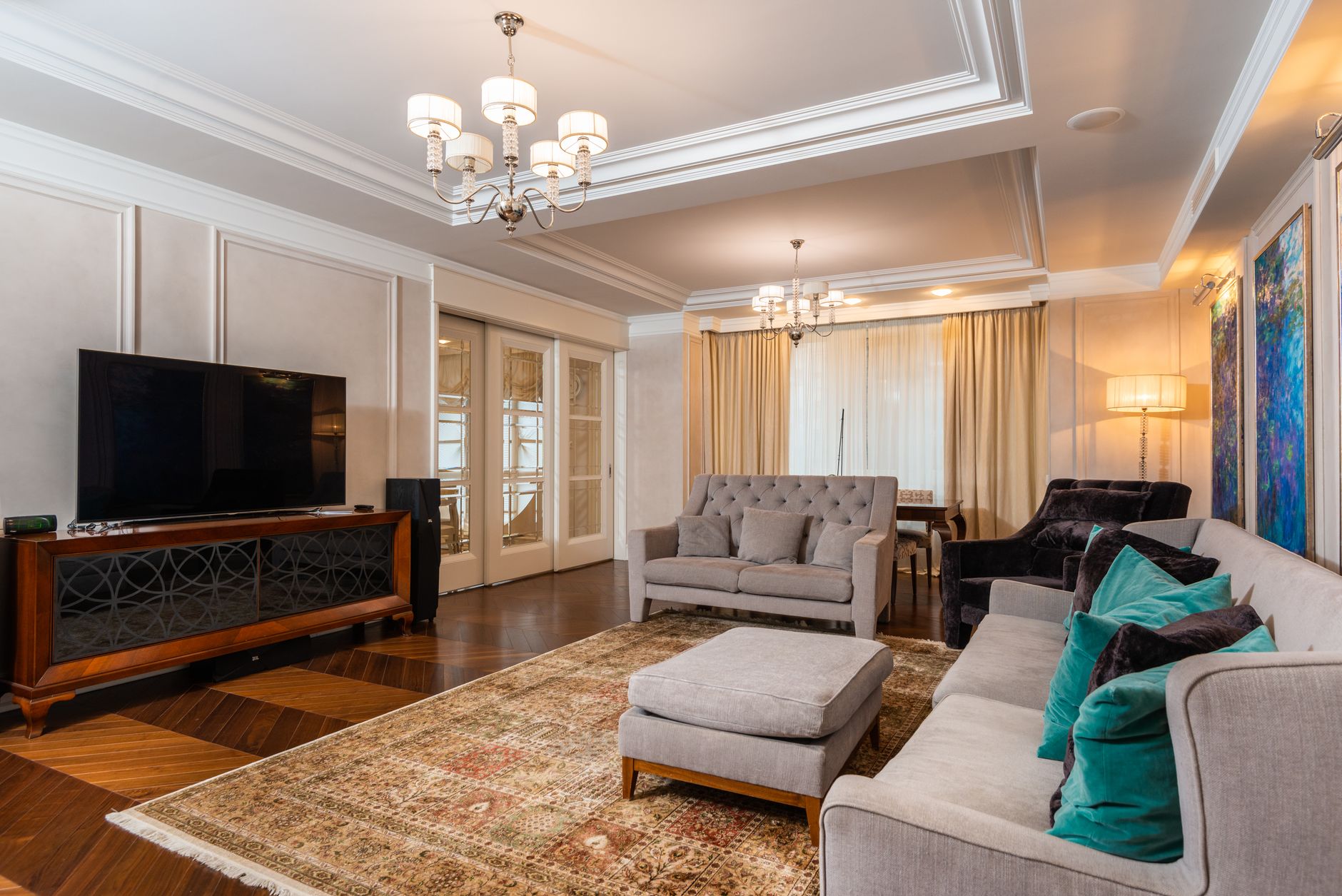
Proportion is everything, and most people get it wrong
The single most common mistake I see is placing a grand piece in a room that cannot hold it. A large Victorian mahogany breakfront bookcase, the sort that would have graced a Cheshire country house library, needs volume around it, high ceilings, uncluttered walls, breathing room on either side. Push it into a low-ceilinged 1930s semi-detached and it will look trapped, almost mournful. The piece itself may be magnificent; the context will crush it.
The reverse error is subtler but equally ruinous: scattering several small Edwardian occasional tables and trinket pieces across a large open-plan space. Without a commanding anchor, they drift. They read as clutter rather than character.
My rule of thumb: identify one or two antique pieces per room that will do the heavy lifting, and let everything else defer to them. A single Regency sofa table, correctly positioned, can carry an entire sitting room. The modern furnishings around it do not need to compete, they simply need to coexist with confidence.
Using contrast as a deliberate tool
Contemporary interiors are, in many ways, the ideal backdrop for antique British furniture. The clean lines and restrained palettes of modern design do not fight with period pieces; they frame them. A pale, pared-back kitchen with flat-fronted cabinetry is a more flattering setting for a Georgian oak dresser than a room already stuffed with ornament.
Contrast in material is particularly powerful. Matte plaster walls against the warm grain of walnut. Polished concrete floors beneath the claw feet of an early Victorian dining table. Raw linen upholstery beside gilt-wood detailing. These pairings feel interesting precisely because they are unexpected. The antique is not costumed in period-appropriate surroundings; it is allowed to be itself in a new world, and that is infinitely more compelling.
Lighting deserves special mention here. A piece that looks flat under overhead LEDs can be transformed by a directional lamp or an uplighter placed nearby. Georgian and Regency furniture was designed to be seen by candlelight, and there is real logic to giving it warm, low, directional illumination even now. The figuring in a piece of satinwood or the patina on a burr walnut veneer becomes genuinely extraordinary when lit properly.
Provenance as a design decision, not just a boast
Knowing where a piece comes from is not simply a matter of financial value or dinner party conversation (though it is certainly useful for both). Provenance shapes the character of a room in ways that are difficult to articulate but immediately felt.
A writing table that belonged to a country solicitor in the 1870s carries different energy from one that came from a London gentleman’s club. The wear patterns are different, the proportions often differ, and the sense of a life lived around it is distinct. I find I make different decisions about placement and pairing depending on a piece’s history. A robustly country piece, say, a solid oak refectory table from a Yorkshire farmhouse, can absorb a great deal of modern informality around it. A more refined London piece, a Regency card table or a William IV writing desk, tends to request a slightly more composed setting.
When buying, I always go to reputable dealers who can speak to a piece’s history with some authority. The British Antique Dealers’ Association maintains a directory of vetted members whose stock has been properly researched, far preferable to picking up something of uncertain origin at a general auction and discovering it is a later reproduction once you get it home.
The Georgian, Victorian, and Edwardian distinction actually matters
People often speak of “antiques” as though they form a uniform category. They do not. Georgian furniture (roughly 1714 to 1830) tends towards elegant restraint, symmetry, fine proportions, restrained ornament. It sits most naturally in modern rooms because its bones are clean. Regency pieces add a little drama: Greek and Egyptian motifs, bolder use of brass and ebony, a swagger that the earlier Georgian rarely bothered with.
Victorian furniture is a broader church. Early Victorian pieces often retain Georgian elegance with added weight and richness. High Victorian, by contrast, can be intensely ornate, deeply carved, heavily upholstered, assertive in scale. These pieces require space and confidence around them, and I would caution against buying a heavily carved Victorian piece simply because it is beautiful without first living with a photograph of it in context for a week.
Edwardian furniture represents something of a return to lighter forms, the Arts and Crafts movement had its effect, as did the fashion for reproducing earlier Georgian styles. Edwardian pieces are often the easiest antique British furniture to work into modern interiors because they do not announce themselves quite so loudly. They tend to mix beautifully with contemporary Scandinavian-influenced designs, sharing an appreciation for honest materials and clean joinery.
Mixing without muddling
A room that contains only antiques risks feeling like a museum. A room that contains one or two beautifully chosen antiques alongside contemporary pieces feels like it belongs to someone with genuine taste and a real life. The goal is always the latter.
I have found that textiles are the great mediators. A Victorian button-back armchair re-upholstered in a modern linen, something from a maker like Fermoie or even a plain cloth from Colefax and Fowler’s simpler ranges, becomes immediately wearable in a contemporary room. The structure remains period; the surface speaks the present tense.
Rugs work similarly. A good Sultanabad or even a well-chosen contemporary rug can bridge periods that might otherwise seem irreconcilable. The eye moves across the rug and finds it easy to accept the dialogue happening above it.
The same instinct for considered layering applies in other areas of domestic life, if you enjoy mixing heritage and contemporary with real intentionality, you might find our thoughts on what elevates a truly exceptional British afternoon tea experience resonate in a similar way. The finest things, in any context, are seldom the loudest.
Practical things you should know before you buy
Antique furniture is not always straightforward to live with. Some pieces will need sympathetic restoration before they are genuinely usable, a Victorian dining table whose top has lifted, or a Georgian chest whose drawers no longer run true. Budget for this. A good restorer who works with traditional techniques and period-appropriate materials is worth finding and keeping. The Conservation Register, maintained by the Institute of Conservation, is a sensible starting point.
Consider also the structural realities of a modern home. Underfloor heating can be unkind to antique timber; keep humidity levels consistent and ensure any pieces sitting above heated floors are on appropriate pads or rugs. Direct sunlight bleaches veneers and fades upholstery at a dispiriting rate. These are small practicalities, easily managed, but worth knowing before a beloved piece deteriorates.
None of this should discourage you. Antique British furniture, properly chosen and properly placed, makes a room feel rooted in something real. It brings history into daily life without freezing it there. And that, to my mind, is one of the more quietly civilised things a person can do with their home.
Frequently Asked Questions
How do I stop my room looking like a museum when using antique British furniture?
Limit yourself to one or two statement antique pieces per room and surround them with contemporary furnishings, modern textiles, and clean wall colours. The contrast between old and new is what makes a room feel alive rather than preserved.
What period of antique British furniture works best in a modern interior?
Georgian and Edwardian pieces tend to integrate most easily because their proportions are cleaner and their ornamentation is restrained. High Victorian furniture can work beautifully but demands more space and a confident setting to avoid feeling oppressive.
Where should I buy antique British furniture to ensure it is genuine?
The British Antique Dealers’ Association (BADA) maintains a directory of vetted dealers whose stock has been properly researched and authenticated. Reputable auction houses such as Bonhams, Christie’s, and Tennants also offer detailed provenance information with each lot.
How much should I expect to spend on a good quality antique piece for a modern home?
Quality varies enormously. A solid Georgian side table in good condition might start at a few hundred pounds at a regional auction; a fine Regency sofa table from a reputable London dealer could reach several thousand. Set a budget, but allow room to spend a little more on a genuinely right piece rather than settling for a lesser one that will always feel like a compromise.
Can antique furniture be re-upholstered without losing its value?
Re-upholstering a Victorian or Edwardian seat in a sympathetic contemporary fabric rarely reduces value significantly and can make the piece far more liveable. Structural integrity and the original woodwork matter far more to collectors than the upholstery, which was always considered a replaceable element.